
Sunday January 25th 2026
Led by Craig Howat
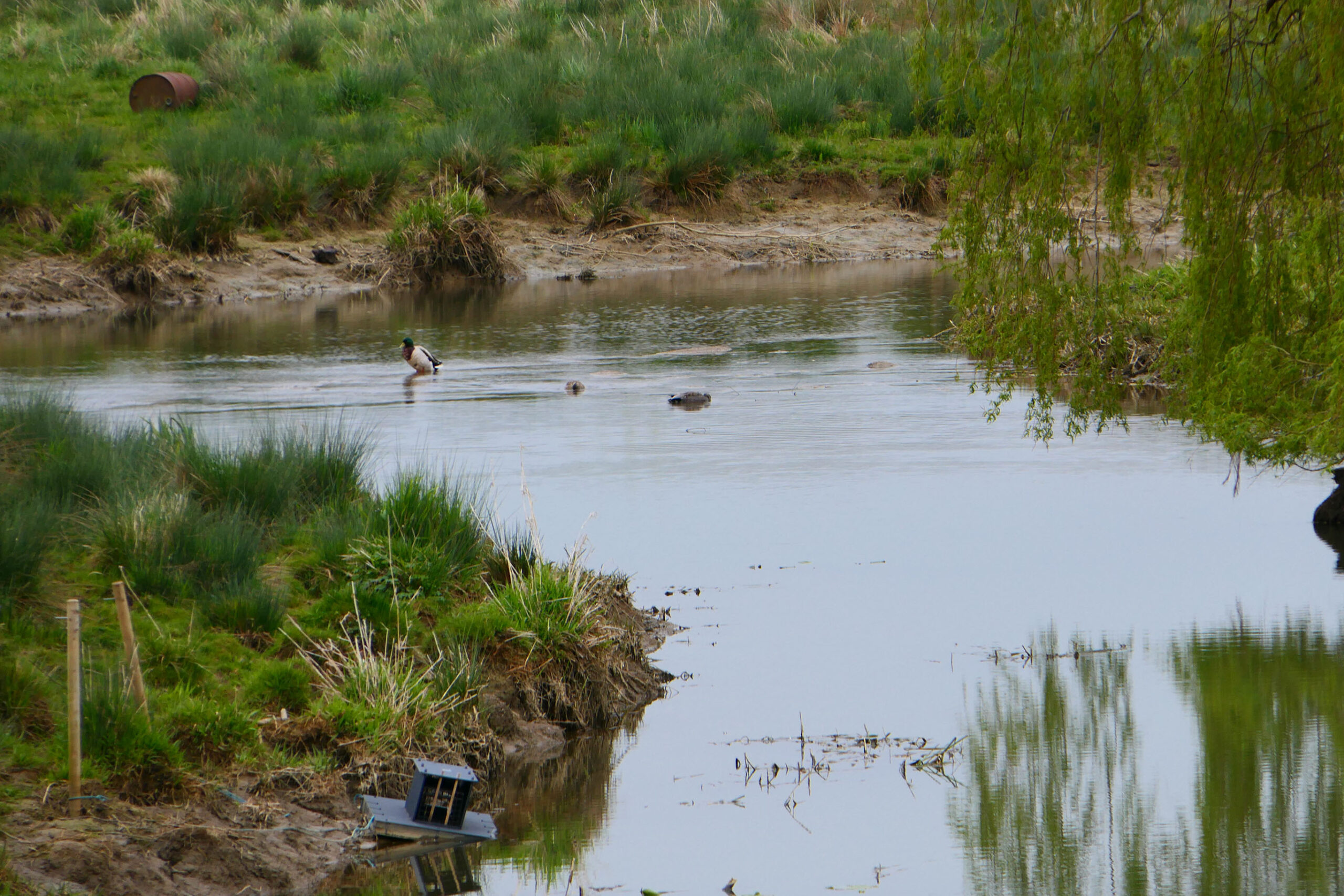
A small group from the Rutland Natural History Society visited the Leicestershire side of Eyebrook Reservoir on a winter morning characterised by low cloud, misty conditions and intermittent light rain.
While visibility was reduced at times, it was generally sufficient to scan much of the reservoir, with birds often appearing gradually out of the haze as conditions subtly shifted. Despite the unpromising weather, the reservoir was holding substantial numbers of wintering wildfowl.
Dabbling ducks were particularly well represented, with large flocks of Eurasian Wigeon and Gadwall forming the dominant presence on the water. Mallard, Teal and Northern Shoveler were also widespread, with smaller numbers of Pintail and Pochard noted. Diving ducks included good numbers of Tufted Duck and scattered Common Goldeneye. Eurasian Coot were present in large numbers, and the surrounding fields and margins held sizeable flocks of Northern Lapwing, which periodically lifted and resettled as the group moved around the site. European Golden Plover were also recorded, reinforcing the importance of Eyebrook as a wintering area for waders. Gulls were active both on the water and overhead, with Common Gull particularly numerous, accompanied by Black-headed Gull and smaller numbers of Herring and Great Black-backed Gulls. Four Great Crested Grebes were seen on the open water. The damp, grey conditions suited herons and egrets well, with Grey Heron, Little Egret and three Great White Egrets recorded, often standing motionless along the margins.
Raptors added interest, with a Red Kite drifting through low cloud, alongside sightings of Common Buzzard and Common Kestrel. Away from the water, bird activity was quieter but included typical winter species such as Redwing, Robin, Dunnock, Goldcrest and small numbers of tits. Corvids were present around the reservoir edge, whilst 2 Skylark was noted singing and flying over despite the weather.
In total, the group recorded 43 species and approximately 2,750 individual birds during the visit. Although the mist and low cloud muted both colours and distant views, the trip clearly demonstrated Eyebrook Reservoir’s continued value as a key winter site for wildfowl, waders and wetland birds.
Craig Howat